Almost every backup starts high. 8 to 10: dark water still rising, water near anything electrical, children or pets in contact with it, a gas smell. Use the list above, and for a rising line phone the sewer owner named there.
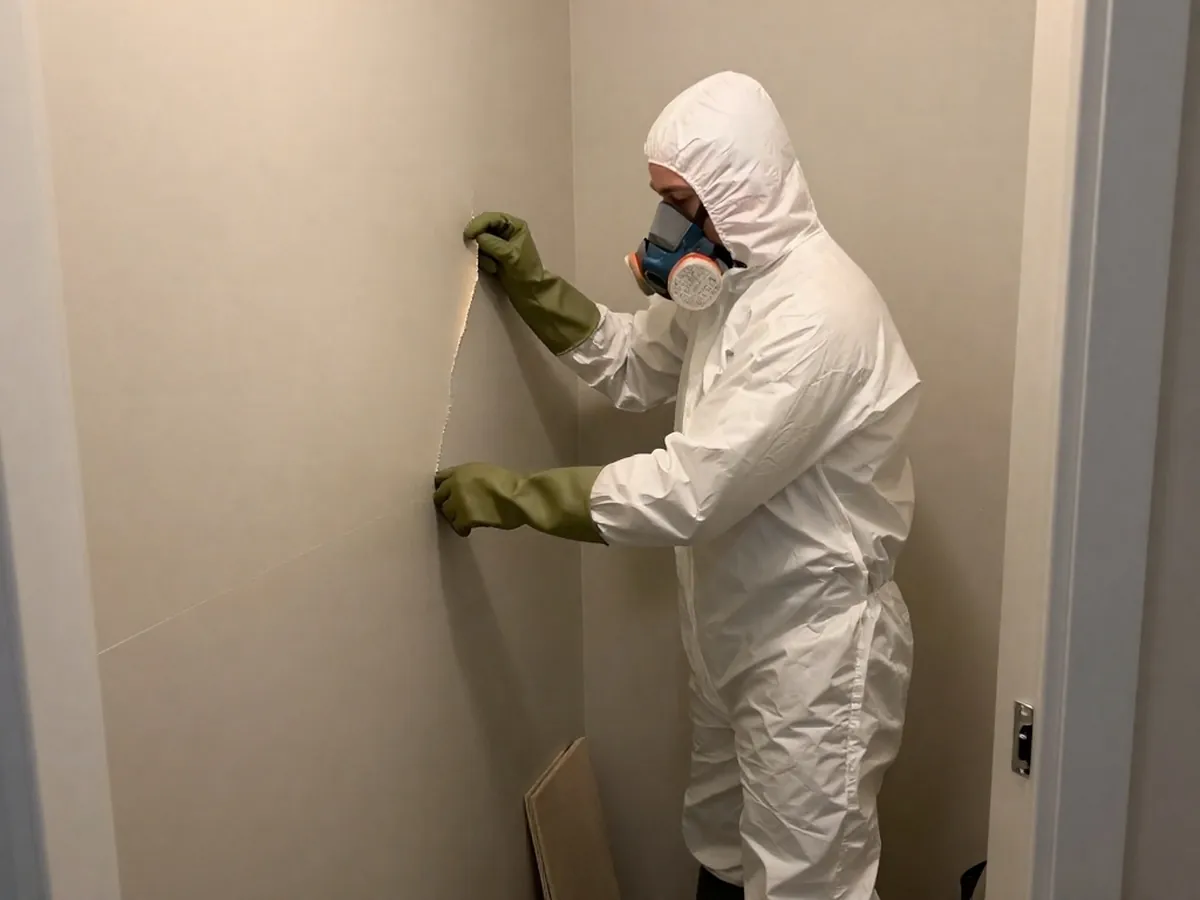
Backed-up drains and sewage in Ball Ground
Sewage Backup Cleanup in Ball Ground, GA
A sewage backup in Ball Ground, GA means murky, bad-smelling water has come up where it does not belong: a floor drain, a tub, a toilet. EPA's mold guide hands sewage and other contaminated-water damage to professionals with that experience. Call (678) 899-6694 and say where the water came up; the contractor can explain what the cleanup involves.
How a backup job gets sized
Three things size a backup: the distance the water travelled, the materials it soaked and how long it sat. EPA says sewage or contaminated water needs a professional. Porous things that touched it, carpet and ceiling tiles among them, may have to be thrown away, and FEMA says carpeting and mattresses that met flood water are discarded. The listing quotes no price; the contractor lists what stays and what goes, room by room.
What stays and what goes
What goes in the trash pile
The CDC's flood guidance is blunt about contaminated water: doubtful food and drink go, and so does anything that cannot be cleaned thoroughly. FEMA adds carpeting and mattresses that touched flood water, and Texas A&M AgriLife says carpet pad is always discarded. The contractor decides item by item, and the keep-or-tear-out page covers the building materials.
Back away and get help if
Keep children and pets away from the water, and do not handle it with bare hands. The CDC says never to use suspect water for dishes, teeth, food, hands or ice, and to throw out what you doubt.
Any water around the outlets, cords or panel means you stay out of the room. The CDC says the main switch is for dry ground only; otherwise phone an electrician. Sparks or a shock mean leave the house and phone 911.
If the street sewer may be the cause, phone the town's water and sewer office; Ball Ground's City Hall is 770-735-2123. For a septic tank, the North Georgia Health District answers at 770-479-0444.
Keep the furnace and air conditioner switched off while the house is contaminated, as EPA advises against running a heating or cooling system that may have taken in contaminated water. A gas smell means leave and phone 911 or your gas utility from outside.
What usually lets the water in
- A clog in the house's outgoing line that pushes waste water back through the lowest drain
- A sewer main in the street that is blocked or overloaded
- A septic tank or drain field that has stopped taking water
- Roots or a broken section in the line under the yard
- A flooded yard that pushes water into a cleanout or low drain
A backup on the 1-to-10 read
4 to 7: nothing is rising any more, yet floors and walls are damp. Call (678) 899-6694 and name the drain it came through.
1 to 3: a slow drain with nothing on the floor. That is a plumbing question for now; call (678) 899-6694 if water ever reaches the floor.
A few looks before you call
Notes to write before you phone
- Write down which drain, tub or toilet the water came from, and when.
- Add whether it is still rising and which fixtures were running.
- Note whether the house is on city sewer or a septic tank; the town pages say who answers for each.
- Photograph the room from the doorway, never from inside the water.
- Then call (678) 899-6694 and read the notes.
Gather the street address, the room that is wet and roughly when it started. A renter's news goes first to the person who manages the building, not to the line. The line covers Ball Ground, Nelson, Waleska and Holly Springs. When you are ready, call (678) 899-6694.